 You know what you want in an Ultra Mobile Computing solution. You want a rich spectrum of quality desktop applications with security, flexibility and processing power wrapped up into a handheld device. Unfortunately, after a busy CES, your options remain limited.
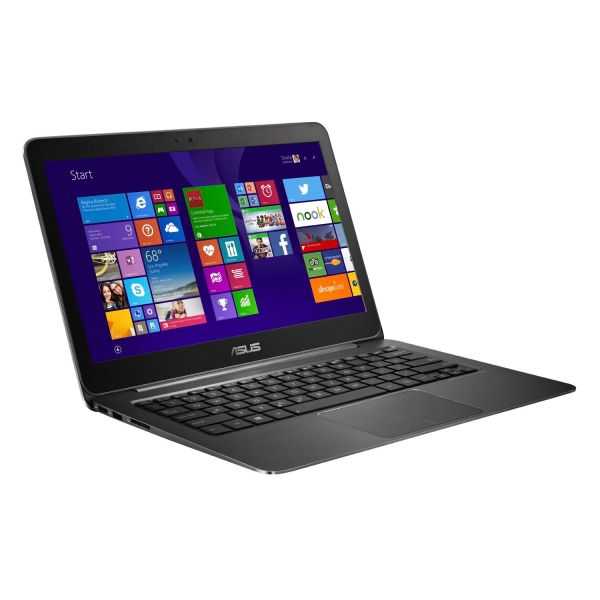
Computing at CES this year was all about Ultrabooks and Ice Cream Sandwich and while both of these topics are interesting, neither of the sectors produced anything that can be used today as a handheld PC.
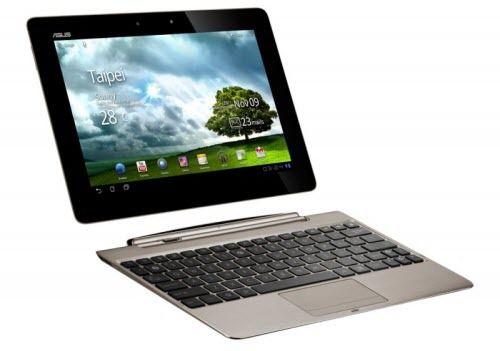
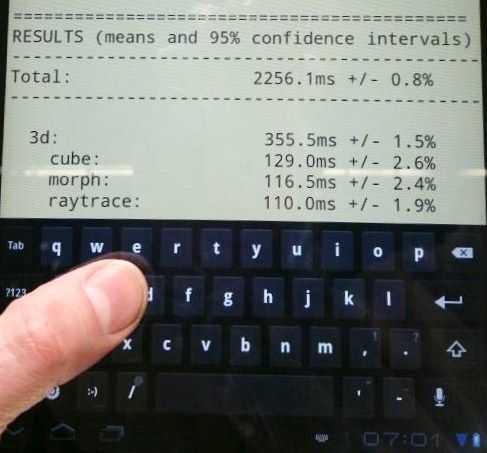
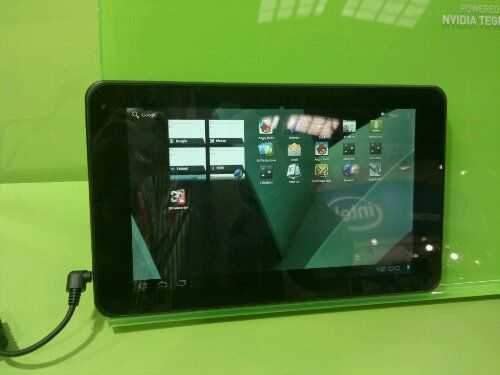
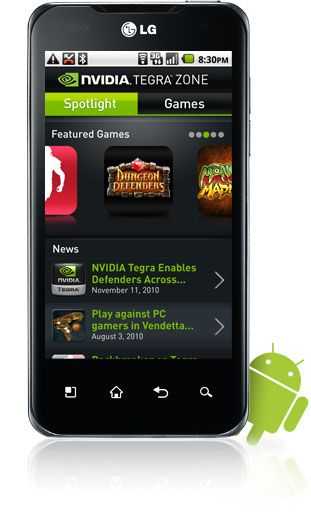
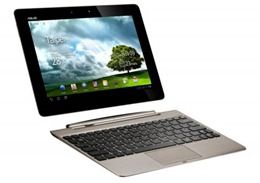
Android devices continue to be crippled by low-quality and restricted software despite some amazing hardware solutions. The ASUS transformer Prime shows what can be done but is the same disappointment as the ‘smartbook’ devices I was testing in 2010. Just try using the Web Browser for a suite of web-based apps, try to write an article in the web-based WordPress back-end or try to book a flight. It’s actually quite embarrassing to see how little the software has moved on. Look for an office suite, a set of security tools, audio and video tools and a good quality image library and editing suite. It seems the only thing the Android ecosystem is working on today is gaming and that’s largely because of the attention that Nvidia have managed to drum up for the Tegra platform.
The fact is that the number of Android tablets out there doesn’t translate into any sort of business-case for porting and developing quality apps. Why bother investing $200K in a high-quality application port for a 7 inch or 10 inch screen when the market is an estimated 20 million customers and the average app purchase cost is under $4. The risk is not worth taking.
What the Android market needs is a huge boost in numbers. Fortunately, the Kindle Fire and the newly announced Asus Eee Pad Memo with Android 4.0 operating system and a price of $250 could help. Although the Kindle Fire only runs V2.x Android software the chances are that newer versions of the Amazon product will get an upgrade and boost the ICS customer base. The Eee Pad Memo at $250 speaks for itself. By the end of 2012 I estimate there will be well over 50 million Android tablets in the market and the numbers will be accelerating. At that point it makes sense to sit down with your developers and talk about an Android tablet application, albeit for a 2013 launch.
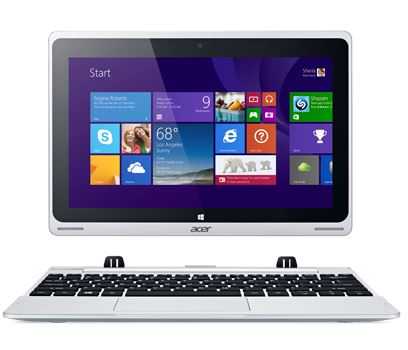
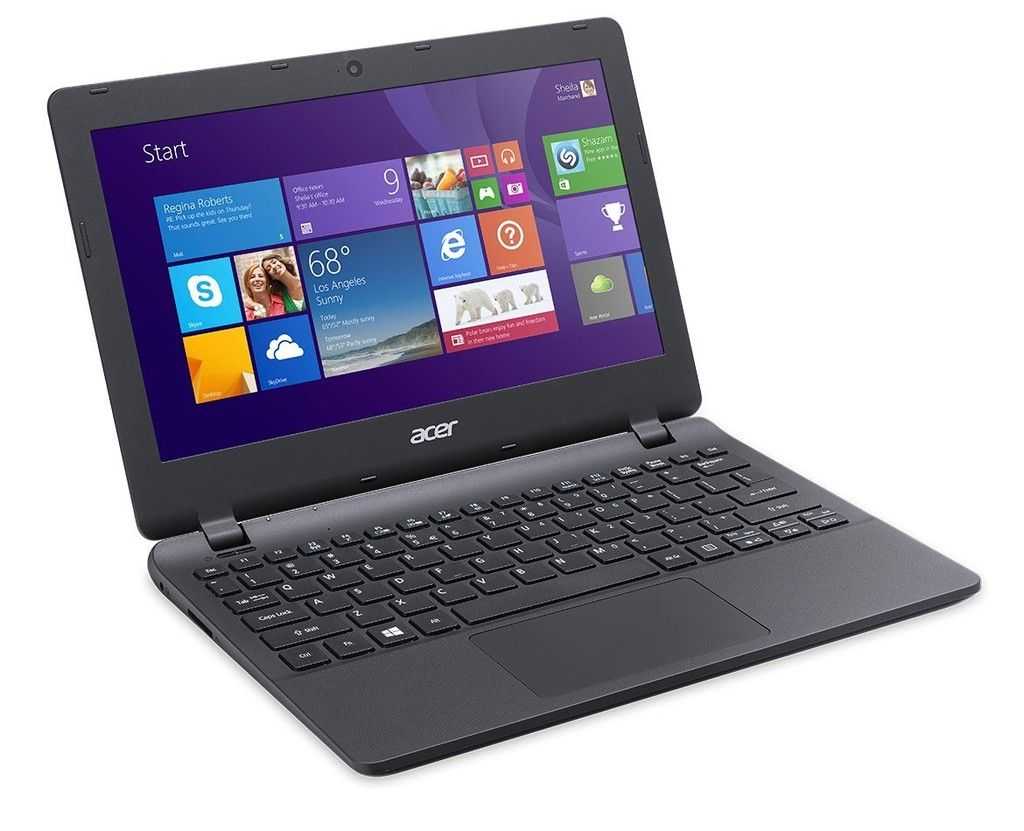
As I look across the other platforms and operating systems, I don’t see any major solutions rising up. The iPad continues to dominate mobile productivity apps but the form factor and operating system flexibility are limiting. The current Windows/Oaktrail pairing is disappointing too in terms of both battery life and performance.
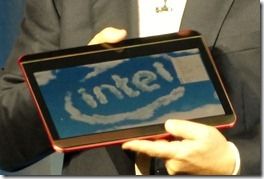
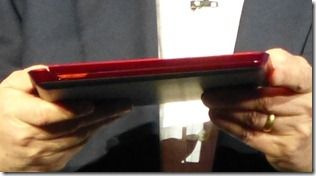
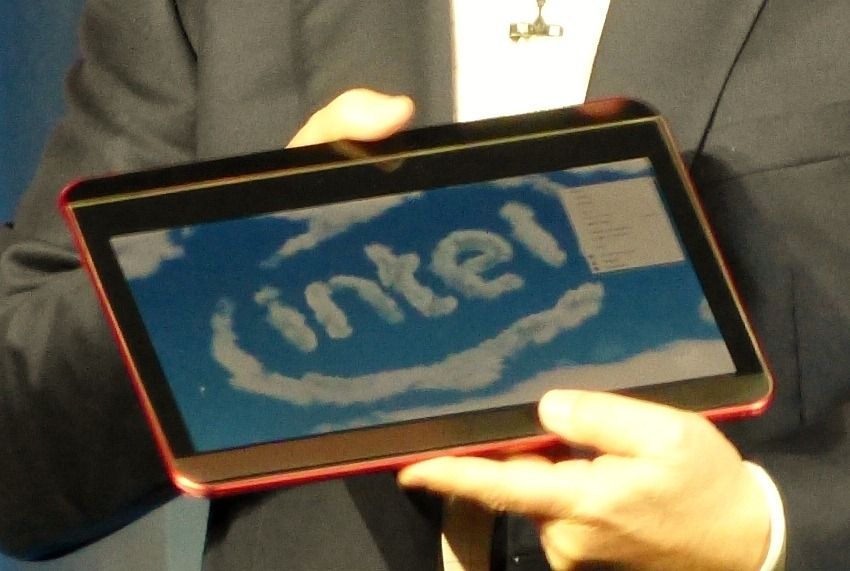
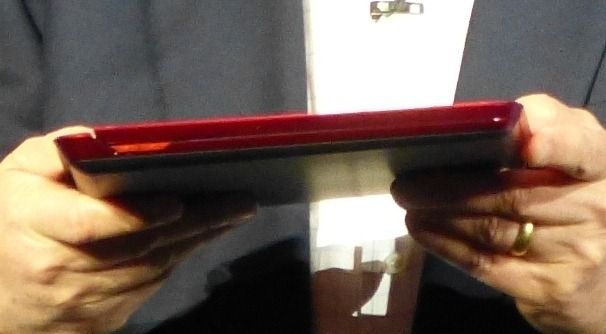
Intel held up the next-gen 32nm, re-architected ‘Clover Trail’ Windows tablet platform at CES which could provide the best chance of a quality handheld Windows experience and with Windows 8, this is probably the one to watch out for. Clover Trail is due in the second half of the year.
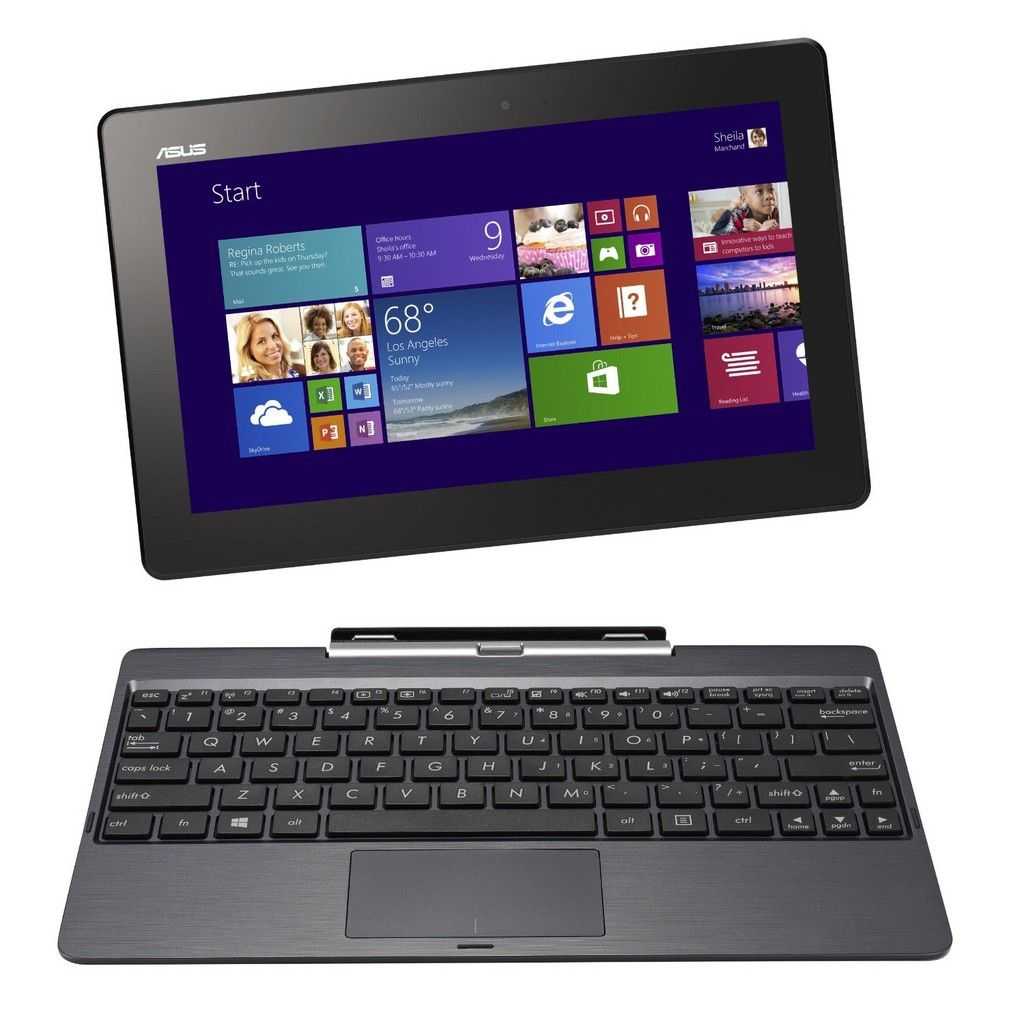
Cedar Trail netbooks and tablets provide an intermediate solution though and with the EeePC X101CH coming in cheap and light, it might be something to look at more closely but if you’re really looking for a handheld solution, I just can’t give you any news right now.
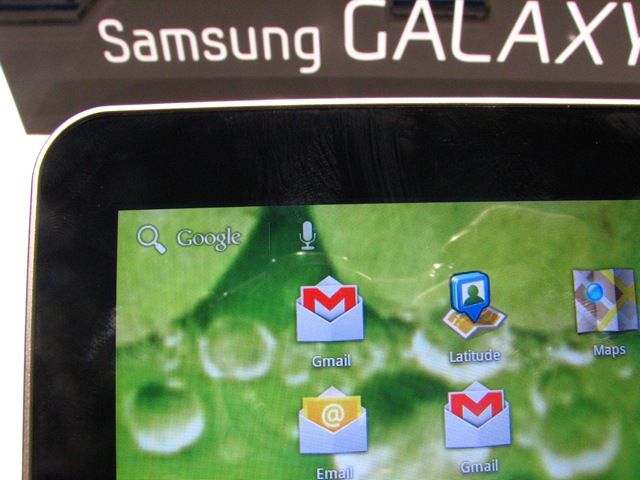
We’re at Mobile World Congress next month and at CeBIT in March so with Windows 8 looming, there’s a chance that UMPCPortal will come alive again. In the meantime, I can only advise buying a 7 inch Android 4.0 tablet and experimenting as soon as you can. While it can be frustrating for productivity, there’s a whole lot of good stuff that can still be done and I’m still not going anywhere without my Samsung Galaxy Tab. Paired with an Ultrabook, it’s a great solution.